

 Myopia management
 Dry Eye Treatment

Protecting Your Child’s Eyes in Pearland ISD: Screen Time, Blue Light, and Sports Safety Tips
Blog:Protecting Your Child’s Eyes in Pearland ISD: Screen Time, Blue Light, and Sports Safety Tips
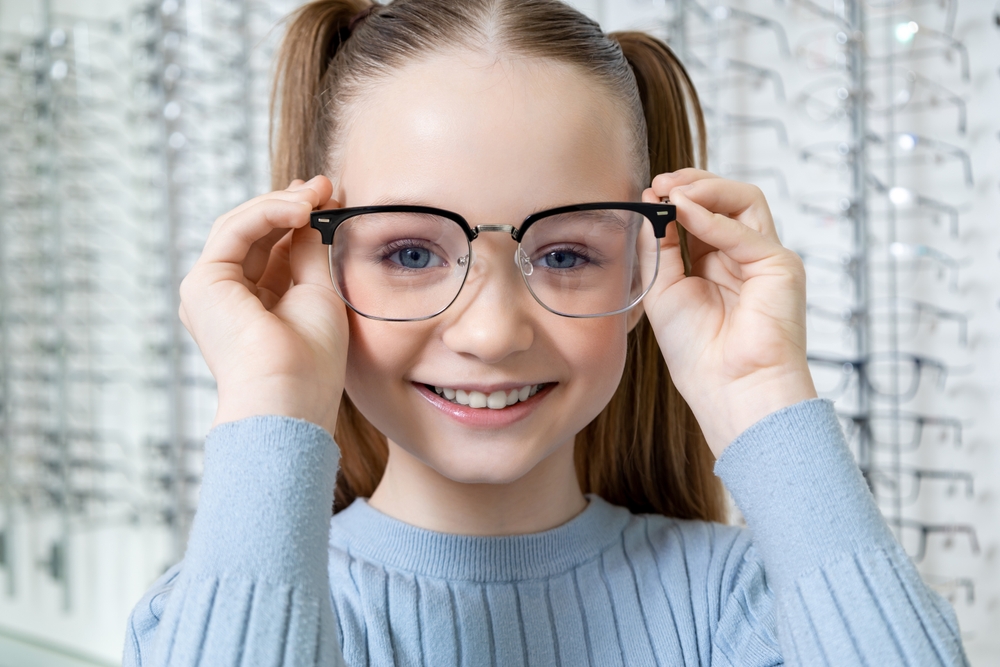
Protecting Your Child’s Eyes in Pearland ISD: Screen Time, Blue Light, and Sports Safety Tips
Between classroom technology, homework, smartphones, gaming, and after-school sports, children’s eyes stay busy throughout the day. For families with students in Pearland ISD, building healthy vision habits can help reduce eye strain, protect against injuries, and make it easier for children to see clearly at school and during activities.
Manage Screen Time and Digital Eye Strain
Long periods of screen use can contribute to digital eye strain. Children may experience tired or dry eyes, headaches, blurry vision, or difficulty shifting their focus after spending extended periods on a computer or tablet.
One simple strategy is the 20-20-20 rule. Encourage your child to look at something about 20 feet away for at least 20 seconds every 20 minutes. Regular breaks give the focusing muscles of the eyes a chance to relax.
Parents can also make screen use more comfortable by:
- Keeping screens at a comfortable viewing distance and slightly below eye level
- Adjusting brightness so the screen is similar to the surrounding room
- Encouraging frequent blinking and regular breaks
- Making sure children spend time outdoors each day
- Watching for headaches, squinting, eye rubbing, or complaints of blurry vision
More outdoor time is also associated with a lower risk of developing myopia, or nearsightedness, in children.
Understand Blue Light From Digital Devices
Blue light often gets blamed for eye strain, but blue light from phones, tablets, and computers has not been shown to cause permanent eye damage. Digital eye discomfort is more commonly related to prolonged near focusing, reduced blinking, glare, and extended screen use.
However, screen use late in the evening may interfere with normal sleep patterns. Parents can encourage children to put devices away before bedtime or use night settings that reduce screen brightness.
Blue light glasses are not necessarily required for every child. If your child frequently struggles with eye fatigue during schoolwork, a pediatric eye exam can help determine whether an uncorrected vision problem, focusing issue, or other concern may be contributing.
Protect Young Eyes During Sports
Sports are another important part of eye safety for Pearland students. Basketball, baseball, soccer, racquet sports, and other activities can expose the eyes to fast-moving balls, equipment, fingers, or accidental collisions.
Regular eyeglasses are not designed to serve as sports protection. Depending on the activity, properly fitted protective sports eyewear with impact-resistant lenses may offer better protection. Children who already wear prescription glasses can also be fitted with prescription sports eyewear.
Any eye injury involving significant pain, vision changes, bleeding, swelling, or direct trauma should be evaluated promptly.
Schedule Regular Pediatric Eye Exams
School vision screenings can identify some potential problems, but they are not a substitute for a comprehensive pediatric eye exam. An eye doctor can evaluate visual clarity, eye coordination, focusing ability, overall eye health, and signs of conditions such as myopia.
Regular exams are especially important if your child has trouble seeing the board, sits unusually close to screens, frequently squints, experiences headaches, or struggles to maintain focus while reading.
Schedule your child’s pediatric eye exam with Texas State Optical Pearland in Pearland, TX by calling (281) 997-2627 to help protect their vision in the classroom, during screen time, and on the field.
Quick Links
Helpful Articles
article_category: restorative
article_category: vision therapy
article_category: contact lenses
article_category: health
article_category: conditions
article_category: eye surgery co-management
article_category: exotic
article_category: cosmetic
article_category: products
article_category: psychiatry
article_category: faqs
article_category: cats
article_category: general
article_category: services
article_category: technology
article_category: dogs
article_category: surgical procedures
article_category: aesthetics
article_category: preventative
article_category: ocular disease management
article_category: eyeglasses
article_category: eye health
article_category: large animal
[]
Flowbite is an open-source library of interactive components built on top of Tailwind CSS including buttons, dropdowns, modals, navbars, and more.
Check out this guide to learn how to get started and start developing websites even faster with components on top of Tailwind CSS.
All Eyecare Services
We offer a wide variety of eye care services to the Pearland community. Contact us with any questions about our services.

Keep In Touch
For non-urgent questions or to learn more about our services, contact us today!

Contact Information
Office Hours
- Monday 8:30 AM - 6:00 PM
- Tuesday 8:30 AM - 6:00 PM
- Wednesday 8:30 AM - 6:00 PM
- Thursday 8:30 AM - 6:00 PM
- Friday 8:30 AM - 6:00 PM
- Saturday 8:30 AM - 2:00 PM
- Sunday Closed
- Monday 9:00am - 6:00pm
- Tuesday 9:00am - 6:00pm
- Wednesday 9:00am - 6:00pm
- Thursday 9:00am - 6:00pm
- Friday 9:00am - 6:00pm
- Saturday 10:00am - 2:00pm
- Sunday Closed
- Monday 8:00am - 5:00pm
- Tuesday
- Wednesday
- Thursday
- Friday
- Saturday
- Sunday
© 2026 Texas State Optical Pearland. All rights Reserved - Accessibility Statement - Privacy Policy - Sitemap
Managed and Designed by 