

 Myopia management
 Dry Eye Treatment

What Can an Eye Exam Detect? Hidden Health Conditions Pearland Patients Shouldn’t Ignore
Blog:What Can an Eye Exam Detect? Hidden Health Conditions Pearland Patients Shouldn’t Ignore
What Can an Eye Exam Detect? Hidden Health Conditions Pearland Patients Shouldn’t Ignore
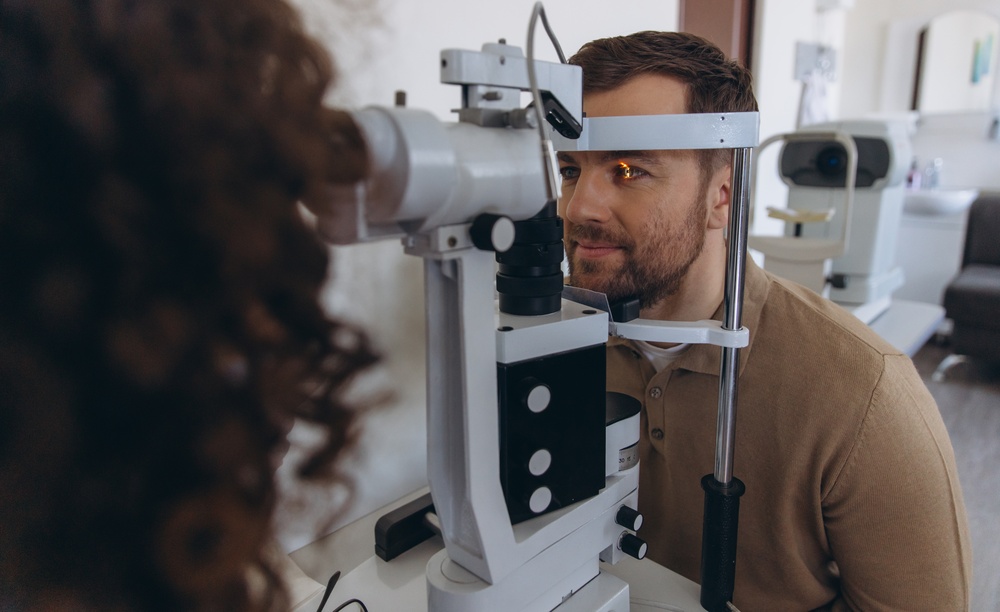
A comprehensive eye exam does more than check whether you need glasses or contact lenses. For many Pearland patients, it can also reveal early signs of eye disease and health conditions that may not cause obvious symptoms right away. Because the eyes contain blood vessels, nerves, and delicate tissue, they can offer important clues about your overall wellness.
At Texas State Optical Pearland, a detailed eye exam helps your optometrist evaluate your vision, eye health, and potential warning signs that deserve attention.
Eye Exams Can Detect More Than Blurry Vision
Many people schedule an eye exam because they notice headaches, squinting, eye strain, or trouble seeing at night. While these are important reasons to visit an eye doctor, routine exams are also valuable when your vision feels normal.
Some eye conditions develop quietly. Glaucoma, diabetic eye disease, and retinal changes can progress before you notice vision loss. By the time symptoms appear, the condition may already require more advanced treatment. Regular eye exams give your optometrist a chance to catch subtle changes early and recommend the right next steps.
Hidden Health Conditions That May Show Up During an Eye Exam
During a comprehensive eye exam, your eye doctor looks closely at the front and back of the eye, including the retina, optic nerve, and blood vessels. These areas can show signs linked to both eye health and general health concerns.
A comprehensive eye exam may help detect signs of:
- Diabetes or diabetic retinopathy
- High blood pressure
- High cholesterol
- Glaucoma
- Cataracts
- Macular degeneration
- Retinal tears or detachment risk
- Inflammation linked to autoimmune conditions
- Certain neurological concerns affecting the optic nerve
An eye exam does not replace care from your primary doctor, but it can provide important information. If your optometrist sees something concerning, they may recommend follow-up testing or coordinate care with another healthcare provider.
Why Pearland Patients Should Not Wait for Symptoms
Vision changes can happen gradually, making them easy to ignore. You may adapt by holding your phone farther away, increasing screen brightness, avoiding night driving, or assuming eye fatigue is normal. However, these small changes can point to a prescription shift, dry eye, eye strain, or an underlying eye condition.
Patients with diabetes, high blood pressure, a family history of glaucoma, frequent headaches, or long hours on digital devices should be especially proactive. Children also benefit from regular eye exams because vision issues can affect reading, learning, and classroom performance.
What Happens During a Comprehensive Eye Exam
A comprehensive eye exam may include vision testing, prescription measurement, eye pressure testing, retinal evaluation, and a review of your medical and family history. Your optometrist may also check how well your eyes work together, how they focus, and whether your eye surface is healthy.
These tests allow your eye doctor to build a complete picture of your visual health. Instead of only updating your prescription, the goal is to detect problems early, protect your sight, and help you understand what is happening with your eyes.
Protect Your Vision With Preventive Eye Care
Routine eye exams are one of the simplest ways to stay ahead of vision problems and hidden eye health concerns. Whether you have clear vision, new symptoms, or a medical condition that can affect your eyes, a comprehensive eye exam can give you answers and peace of mind.
See what your eyes could be revealing and schedule your comprehensive eye exam with Texas State Optical Pearland in Pearland, TX by calling (281) 997-2627.
Quick Links
Helpful Articles
article_category: products
article_category: psychiatry
article_category: faqs
article_category: cats
article_category: general
article_category: services
article_category: technology
article_category: dogs
article_category: restorative
article_category: vision therapy
article_category: contact lenses
article_category: health
article_category: conditions
article_category: eye surgery co-management
article_category: exotic
article_category: cosmetic
article_category: surgical procedures
article_category: aesthetics
article_category: preventative
article_category: ocular disease management
article_category: eyeglasses
article_category: eye health
article_category: large animal
[]
article_category: psychiatry
article_category: faqs
article_category: cats
article_category: general
article_category: services
article_category: technology
article_category: dogs
article_category: restorative
article_category: vision therapy
article_category: contact lenses
article_category: health
article_category: conditions
article_category: eye surgery co-management
article_category: exotic
article_category: cosmetic
article_category: surgical procedures
article_category: aesthetics
article_category: preventative
article_category: ocular disease management
article_category: eyeglasses
article_category: eye health
article_category: large animal
[]
Flowbite is an open-source library of interactive components built on top of Tailwind CSS including buttons, dropdowns, modals, navbars, and more.
Check out this guide to learn how to get started and start developing websites even faster with components on top of Tailwind CSS.
All Eyecare Services
We offer a wide variety of eye care services to the Pearland community. Contact us with any questions about our services.

Keep In Touch
For non-urgent questions or to learn more about our services, contact us today!

Contact Information
Office Hours
- Monday 8:30 AM - 6:00 PM
- Tuesday 8:30 AM - 6:00 PM
- Wednesday 8:30 AM - 6:00 PM
- Thursday 8:30 AM - 6:00 PM
- Friday 8:30 AM - 6:00 PM
- Saturday 8:30 AM - 2:00 PM
- Sunday Closed
- Monday 9:00am - 6:00pm
- Tuesday 9:00am - 6:00pm
- Wednesday 9:00am - 6:00pm
- Thursday 9:00am - 6:00pm
- Friday 9:00am - 6:00pm
- Saturday 10:00am - 2:00pm
- Sunday Closed
- Monday 8:00am - 5:00pm
- Tuesday
- Wednesday
- Thursday
- Friday
- Saturday
- Sunday
© 2026 Texas State Optical Pearland. All rights Reserved - Accessibility Statement - Privacy Policy - Sitemap
Managed and Designed by 