

 Myopia management
 Dry Eye Treatment

What Is Optical Coherence Tomography (OCT) Used For?
Blog:What Is Optical Coherence Tomography (OCT) Used For?
What Is Optical Coherence Tomography (OCT) Used For?
Advancements in eye care technology have made it easier than ever to detect, monitor, and manage eye conditions before they affect your vision. One of the most important diagnostic tools used in modern optometry is Optical Coherence Tomography, commonly known as OCT. At Texas State Optical Pearland, OCT imaging plays a key role in protecting long-term eye health through early and accurate diagnosis.
What Is Optical Coherence Tomography (OCT)?
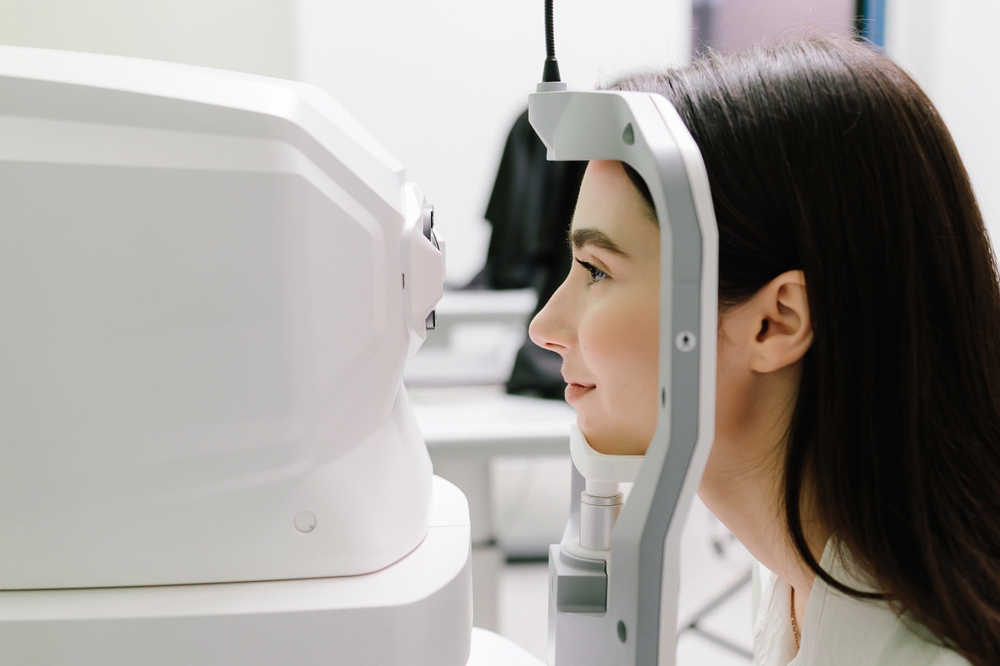
Optical Coherence Tomography is a non-invasive imaging test that captures highly detailed, cross-sectional images of the retina and optic nerve. Using light waves, OCT allows your eye doctor to see the distinct layers of the retina without touching the eye. The test is fast, painless, and does not require any recovery time, making it an ideal tool for both routine eye exams and medical evaluations.
OCT is primarily used to detect, diagnose, and monitor eye diseases that affect the retina and optic nerve. These structures are critical for clear vision, and damage can occur long before noticeable symptoms appear.
Detecting and Monitoring Glaucoma
One of the most common uses of OCT is for glaucoma detection and management. OCT measures the thickness of the optic nerve fibers, helping eye doctors identify early nerve damage - even before vision loss occurs. This allows for earlier treatment and better long-term outcomes.
Diagnosing Macular Degeneration
OCT is essential for diagnosing and tracking age-related macular degeneration (AMD). It helps identify fluid buildup, retinal thinning, or structural changes in the macula, which is responsible for sharp central vision.
Evaluating Diabetic Eye Disease
For patients with diabetes, OCT is a critical tool for detecting diabetic retinopathy and diabetic macular edema. It can reveal swelling or fluid in the retina that may not yet be affecting vision but requires prompt treatment.
Assessing Retinal Conditions
OCT is also used to evaluate a variety of retinal issues, including:
• Macular holes
• Epiretinal membranes
• Retinal tears or swelling
• Inherited retinal disorders
By closely monitoring these conditions, your eye doctor can determine whether treatment is needed and track how well it is working.
What to Expect During an OCT Scan
An OCT scan is quick and comfortable:
• You’ll rest your chin on a support and look at a target light
• The machine scans your eyes in just a few seconds
• No contact is made with your eyes
• Results are available immediately for your doctor to review
In some cases, pupil dilation may be recommended for optimal imaging.
Schedule Your Comprehensive Eye Exam at Texas State Optical Pearland
Optical Coherence Tomography is a powerful diagnostic tool that helps protect your vision by detecting eye disease early, monitoring progression, and guiding treatment decisions. Whether used as part of a routine eye exam or to manage a specific condition, OCT provides invaluable insight into your eye health.
Schedule your annual eye exam with Texas State Optical Pearland to learn how OCT imaging can protect your sight for years to come. Contact our office in Pearland, Texas, by calling (281) 997-2627 to book an appointment today.
Quick Links
Helpful Articles
article_category: products
article_category: psychiatry
article_category: faqs
article_category: cats
article_category: general
article_category: services
article_category: technology
article_category: dogs
article_category: restorative
article_category: vision therapy
article_category: contact lenses
article_category: health
article_category: conditions
article_category: eye surgery co-management
article_category: exotic
article_category: cosmetic
article_category: surgical procedures
article_category: aesthetics
article_category: preventative
article_category: ocular disease management
article_category: eyeglasses
article_category: eye health
article_category: large animal
[]
article_category: psychiatry
article_category: faqs
article_category: cats
article_category: general
article_category: services
article_category: technology
article_category: dogs
article_category: restorative
article_category: vision therapy
article_category: contact lenses
article_category: health
article_category: conditions
article_category: eye surgery co-management
article_category: exotic
article_category: cosmetic
article_category: surgical procedures
article_category: aesthetics
article_category: preventative
article_category: ocular disease management
article_category: eyeglasses
article_category: eye health
article_category: large animal
[]
Flowbite is an open-source library of interactive components built on top of Tailwind CSS including buttons, dropdowns, modals, navbars, and more.
Check out this guide to learn how to get started and start developing websites even faster with components on top of Tailwind CSS.

All Eyecare Services
We offer a wide variety of eye care services to the Pearland community. Contact us with any questions about our services.

Keep In Touch
For non-urgent questions or to learn more about our services, contact us today!

Contact Information
Office Hours
- Monday 8:30 AM - 6:00 PM
- Tuesday 8:30 AM - 6:00 PM
- Wednesday 8:30 AM - 6:00 PM
- Thursday 8:30 AM - 6:00 PM
- Friday 8:30 AM - 6:00 PM
- Saturday 8:30 AM - 2:00 PM
- Sunday Closed
- Monday 9:00am - 6:00pm
- Tuesday 9:00am - 6:00pm
- Wednesday 9:00am - 6:00pm
- Thursday 9:00am - 6:00pm
- Friday 9:00am - 6:00pm
- Saturday 10:00am - 2:00pm
- Sunday Closed
- Monday 8:00am - 5:00pm
- Tuesday
- Wednesday
- Thursday
- Friday
- Saturday
- Sunday
© 2026 Texas State Optical Pearland. All rights Reserved - Accessibility Statement - Privacy Policy - Sitemap
Managed and Designed by 